You’re scrolling through your messages, half-awake, coffee still brewing, when a short text pops up: “WYF?”
No emojis. No explanation. Just three letters.
Your brain pauses. Is it playful? Rude? Curious? Or just lazy typing? That moment right there is exactly why understanding modern texting slang matters.
Acronyms like WYF are everywhere now — Instagram DMs, Snapchat, WhatsApp, dating apps, even work chats (yep, it happens). If you don’t know what they mean, conversations can feel awkward or confusing fast.
In simple terms, WYF is shorthand used in casual digital conversations, but its meaning can shift depending on tone and context. And that’s what makes it interesting — and sometimes risky — to use.
What Does WYF Mean in Text?
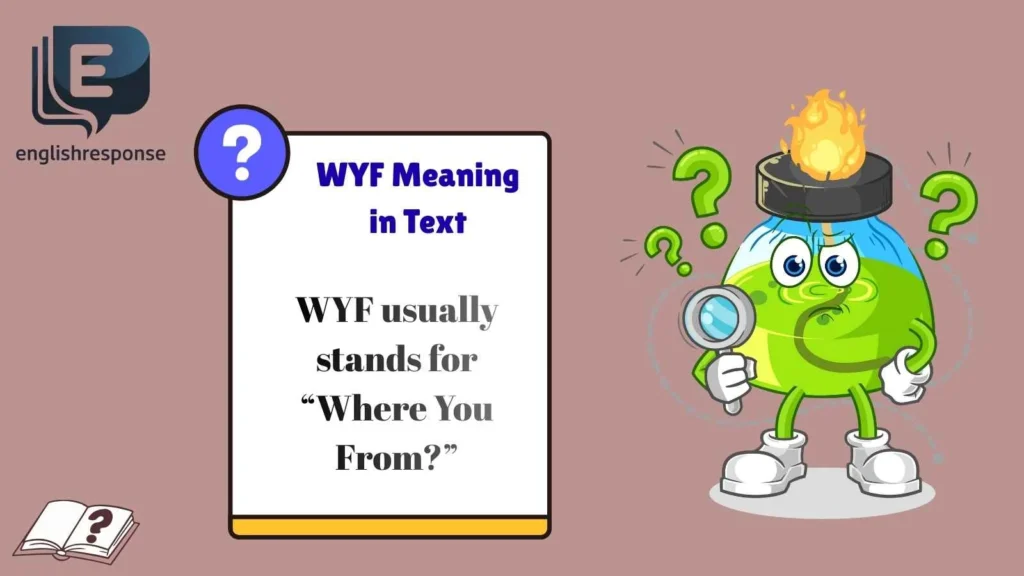
At its core, WYF usually stands for “Where You From?”
Simple, right? But like most texting slang, it’s not just about the words — it’s about intent.
People use WYF when they want to:
- Start a casual conversation
- Get to know someone better
- Break the ice quickly
For example:
- On a dating app: “Hey, WYF?”
- In a group chat: “You sound local. WYF?”
It’s informal, fast, and conversational. Instead of typing out a full sentence, people shorten it to keep the chat flowing. In friendly contexts, it feels natural. In others, it can feel abrupt — even a little blunt.
That’s why understanding tone is just as important as knowing the meaning.
Origin and Background of the Term
The rise of WYF is closely tied to the evolution of texting culture.
Back in the early SMS days, character limits mattered. Every letter cost time and effort. So people started trimming language down to essentials. “Where are you from?” became “Where u from?” and eventually — WYF.
Social media and dating apps pushed it even further. When you’re messaging dozens of people or trying to stand out quickly, shorter feels easier.
There’s also a cultural layer here. In online spaces, asking where someone is from isn’t just geography — it’s curiosity, identity, and sometimes attraction rolled into one. Over time, WYF became a quick way to ask without overthinking it.
Language evolves because people want connection — faster and simpler.
How WYF Is Used in Daily Life
You’ll see WYF pop up in all kinds of everyday digital interactions. Here are some common situations:
- Dating apps – “You seem chill. WYF?”
- Instagram DMs – “Saw your story. WYF?”
- Gaming chats – “Nice accent btw, WYF?”
- New group chats – “First time here. WYF everyone?”
- Online communities – “I’m new too, WYF?”
Notice something? It’s almost always casual and curiosity-driven.
People rarely use WYF in formal emails or professional settings. It’s a relaxed, conversational shortcut meant to keep things light and moving.
Emotional or Practical Meaning of WYF
Beyond the literal question, WYF often carries emotional weight.
It can signal:
- Interest – wanting to know more about you
- Connection – finding shared roots or cultures
- Belonging – checking if you’re “one of us”
In modern digital culture, where conversations start and end quickly, WYF helps people anchor a chat in something real — identity.
But context matters. Without warmth or follow-up, it can feel cold. With emojis or friendly words, it feels open and welcoming.
That’s the power of three little letters.
Similar or Related Terms
Here are some common terms related to WYF, with clear differences:
- WYA – Where you at? (current location, not origin)
- ASL – Age, sex, location (older internet slang)
- LOC? – Asking about location, often briefly
- From where? – Same meaning, more direct
- You local? – Casual way to ask if someone’s nearby
Each one serves a slightly different purpose, even if they seem similar at first glance.
Common Misunderstandings About WYF
Let’s clear up some confusion people often have:
- It’s not always flirting
Sometimes it’s just small talk. - It’s not rude by default
Tone makes the difference. - It doesn’t demand a full address
A city or country is enough. - It’s not formal English
Don’t use it in professional writing. - It’s not new slang
It’s been around longer than people think.
Understanding these nuances helps avoid awkward replies or assumptions.
Examples of WYF in Sentences
Here are some natural, everyday examples:
- “Hey, you sound familiar — WYF?”
- “Nice vibes! WYF originally?”
- “We’re all sharing intros. WYF?”
- “That accent’s cool. WYF?”
- “Just curious, WYF?”
- “You said you moved recently — WYF before?”
- “Everyone here seems global. WYF?”
Each example feels casual and human — exactly how WYF is meant to sound.
Why Understanding WYF Matters Today
Language is moving faster than ever.
Texting slang like WYF isn’t just about saving time — it’s about digital literacy. Knowing what these terms mean helps you:
- Communicate confidently
- Avoid misunderstandings
- Respond naturally in social spaces
- Stay culturally aware
In a world where first impressions often happen through screens, understanding small phrases can make a big difference.
It’s not about sounding cool. It’s about staying connected.
FAQs:
What does WYF mean in simple words?
It usually means “Where are you from?” in casual texting.
Is WYF positive or negative?
It’s neutral, but tone and context decide how it feels.
Where is WYF commonly used?
Mostly in texts, social media, dating apps, and online chats.
Is WYF formal or informal?
It’s informal and shouldn’t be used professionally.
Why do people search for WYF meaning in text?
Because slang changes over time, and people want to avoid confusion or awkward replies.
Conclusion:
Language reflects how we connect, and WYF Meaning in Text is a perfect example of that.
It’s short, simple, and packed with intention. When you understand what it means — and how it’s used — you stop guessing and start responding with confidence.
Whether you’re navigating dating apps, online communities, or casual chats, knowing modern slang helps you show up as your real, aware self.

Rana Sawalha is a passionate language enthusiast and author at EnglishResponse, dedicated to helping readers improve their English communication skills. With a focus on practical tips, engaging examples, and real-world conversation strategies, Rana Sawalha empowers learners to speak confidently and respond like a pro in any situation.