You’re scrolling through your phone, chatting with a friend, when suddenly a message pops up:
“WTM?”
You pause.
Is it playful? Serious? Confusing?
You’re not alone. Short text abbreviations like this can feel like a secret language, especially when tone is hard to read on a screen. The wtm meaning in text has become increasingly common in modern conversations, yet many people still misunderstand it or overthink its intention.
At its core, WTM is simple — but how it’s used can completely change its meaning. And that’s why understanding it actually matters more than you think. One wrong assumption could turn an easy conversation awkward or make you miss a genuine invitation.
In this guide, we’ll break down what WTM really means, where it comes from, and how people use it in real life. No robotic definitions. Just clear explanations, relatable examples, and practical insight you can actually use.
What Does WTM Meaning in Text?
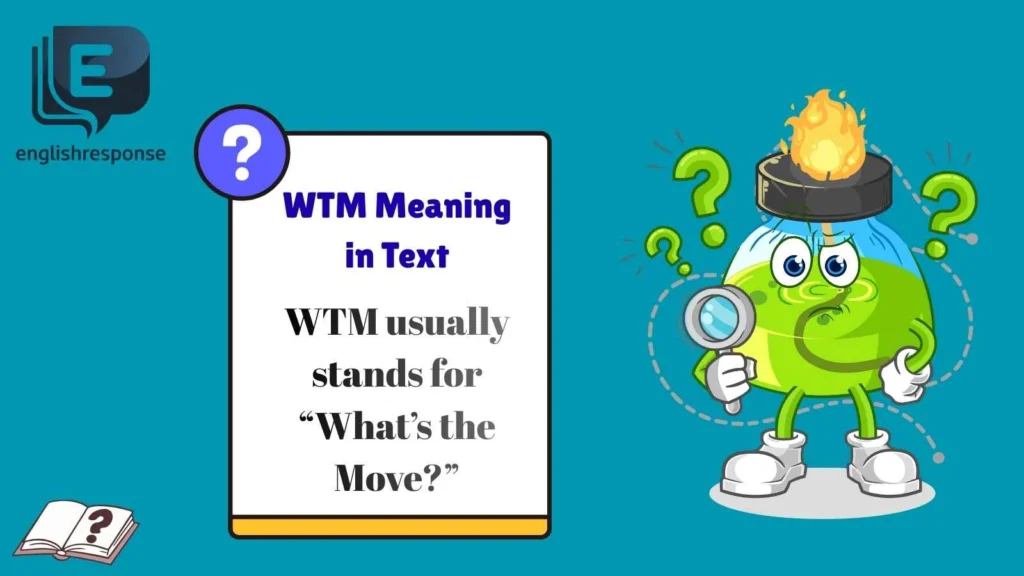
WTM usually stands for “What’s the Move?” in text conversations.
In simple terms, it’s a casual way of asking:
- What’s the plan?
- What are we doing next?
- What’s happening right now?
It’s not formal. It’s just an easy, laid-back question people use when they want to move things forward.
Real-life examples:
- Your friend texts: “I’m free tonight. WTM?”
→ They’re asking what the plan is. - Someone messages during a party: “This place is dead. WTM?”
→ They want to switch locations. - A date texts: “I’m outside. WTM?”
→ They’re waiting for direction.
The key thing? Context decides everything.
Origin and Background of the Term
WTM didn’t come from textbooks or grammar rules. It grew naturally from spoken language, especially in urban and youth culture.
Before texting, people would casually ask,
“So, what’s the move?”
As messaging apps took over, people shortened phrases to save time. That’s how WTM was born — a fast, efficient way to keep conversations moving without sounding stiff.
Social media platforms like Snapchat, Instagram DMs, and WhatsApp helped popularize it. Over time, it spread beyond friend groups and became part of everyday digital language.
What’s interesting is how WTM reflects modern communication habits:
- Short attention spans
- Faster responses
- More casual interactions
It’s not lazy language — it’s adaptive language.
How WTM Is Used in Daily Life
WTM fits easily into everyday situations. Here’s how people actually use it:
- Making plans
“Everyone’s off work early. WTM?” - Checking the vibe
“The movie was okay… WTM now?” - Starting a conversation
“Hey, I’m bored. WTM?” - Group chats
“Food or drinks? WTM, guys?” - Dating and flirting
“I’m nearby 👀 WTM?” - Last-minute decisions
“Plan A failed. WTM next?”
It’s flexible, casual, and easy — which is exactly why people love using it.
Emotional or Practical Meaning of WTM
Beyond the literal meaning, WTM often carries an emotional undertone.
Sometimes it means:
- I want to hang out
- I don’t want the night to end
- I’m open to ideas
- I want connection
In social settings, WTM can feel inviting rather than demanding. It leaves room for creativity and shared decision-making.
Culturally, it represents a shift away from rigid planning. People today value spontaneity, and WTM fits perfectly into that mindset.
It’s less about control and more about going with the flow.
Similar or Related Terms
Here are some common alternatives and how they differ:
- What’s up? – Very general, can mean anything
- What’s the plan? – Slightly more serious
- What are we doing? – Direct, sometimes impatient
- Any ideas? – Open-ended, thoughtful
- What’s next? – Forward-focused
WTM stands out because it’s casual, flexible, and socially modern.
Common Misunderstandings About WTM
Let’s clear up some confusion.
- It’s not rude
Tone depends on context, not the abbreviation. - It’s not lazy language
It’s intentional and culturally relevant. - It’s not always about parties
It can apply to work breaks, travel, or casual chats. - It’s not aggressive
WTM usually invites input, not pressure. - It’s not universal
Some people may not recognize it — especially across age groups.
Understanding these nuances helps you respond appropriately.
Examples of WTM in Sentences
Here are natural, everyday uses:
- “We finished dinner early. WTM?”
- “I’m done studying for the night. WTM now?”
- “The event got canceled… WTM?”
- “Everyone’s asking what’s next. I just said WTM.”
- “I texted him ‘WTM?’ and we ended up hanging out.”
- “No plan is sometimes the best plan. WTM?”
- “Weekend’s wide open. WTM?”
- “She smiled and replied, ‘WTM 😄’”
Why Understanding WTM Meaning in Text Matters Today
Digital communication moves fast. Misreading a message can lead to missed opportunities or awkward moments.
Knowing the wtm meaning in text helps you:
- Respond confidently
- Read tone more accurately
- Sound more natural in conversations
- Stay culturally aware
Language evolves, and staying updated isn’t about being trendy — it’s about staying connected.
Whether you’re chatting with friends, coworkers, or someone new, understanding small phrases like WTM can make communication smoother and more human.
FAQs:
What does WTM mean in simple words?
WTM means “What’s the move?” It’s a casual way of asking what’s happening or what the plan is.
Is WTM positive or negative?
It’s usually neutral to positive. The tone depends on context and emojis or follow-up messages.
Where is WTM commonly used?
You’ll mostly see it in text messages, social media DMs, and group chats.
Is WTM formal or informal?
WTM is informal. It’s best used with friends, peers, or casual connections.
Why do people search for WTM meaning in text?
Because abbreviations change with time, and people want to avoid misunderstandings while staying up to date with modern language.
Conclusion:
Language isn’t just about words — it’s about connection.
The next time someone texts you “WTM?”, you won’t feel confused or second-guess yourself. You’ll understand the intention, read the vibe, and respond with confidence.
Small phrases like this remind us how communication keeps evolving — becoming faster, more flexible, and more human. Staying curious about language means staying connected to people.

Rana Sawalha is a passionate language enthusiast and author at EnglishResponse, dedicated to helping readers improve their English communication skills. With a focus on practical tips, engaging examples, and real-world conversation strategies, Rana Sawalha empowers learners to speak confidently and respond like a pro in any situation.