You’re scrolling through WhatsApp, Instagram, or maybe a casual work chat. Someone shares a strange opinion, a silly mistake, or an unbelievable story. Then comes a reply: “smh.”
No emojis. No explanation. Just those three letters.
You pause.
Are they angry? Judging? Laughing? Or just tired?
This is exactly why understanding smh meaning in text matters today. Texting has become our main form of communication, yet it lacks facial expressions and tone.
Short slang terms like SMH fill that gap, adding emotion, attitude, and context in just a few keystrokes.
In simple terms, SMH is a reaction. It expresses disappointment, disbelief, frustration, or sometimes playful sarcasm. But its meaning can shift depending on who is using it and how it’s placed in a conversation.
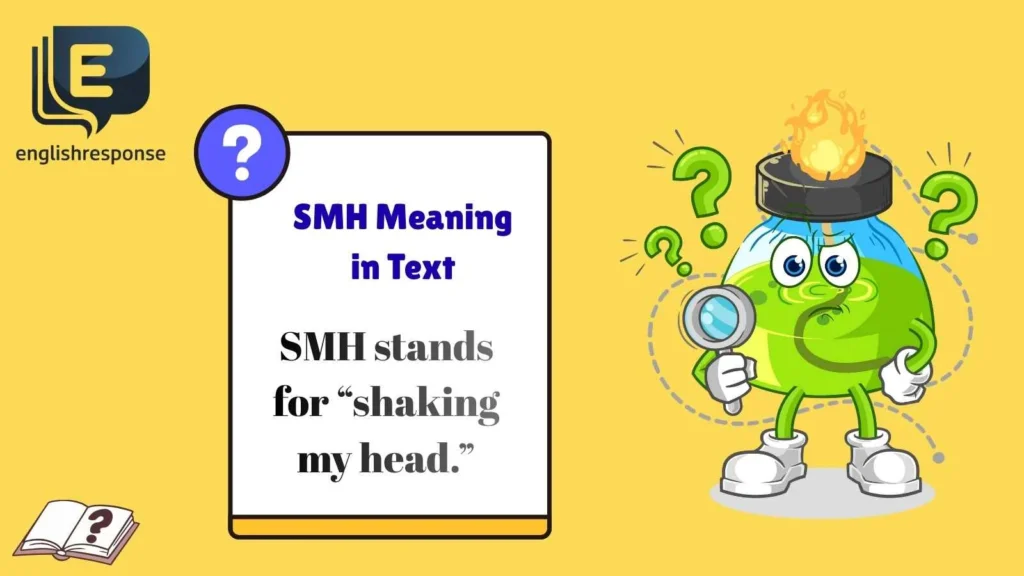
What Does SMH Mean?
SMH stands for “shaking my head.”
It’s what someone would physically do when they see or hear something disappointing, unbelievable, or just plain silly. In text, it replaces that physical gesture with words.
Think of it as a silent reaction typed out.
Real-life examples:
- Your friend forgets their wallet for the third time:
“You left it at home again? smh.” - Someone posts fake news online:
“People really believe this stuff… smh.” - A sibling makes a predictable mistake:
“I told you this would happen, smh.”
It’s not always harsh. Sometimes, it’s just tired amusement or gentle frustration.
Origin and Background of the Term
The phrase “shaking my head” existed long before texting. Humans have been shaking their heads for centuries to show disagreement, disbelief, or disappointment.
But SMH as a text abbreviation emerged in the early 2000s, alongside internet chatrooms, SMS texting, and instant messaging platforms. Back then, character limits mattered. People wanted faster ways to express emotions without typing full sentences.
Online forums, early Twitter, and urban digital culture helped SMH gain popularity. Over time, it crossed platforms—Facebook, Instagram, TikTok, WhatsApp—and became a global expression.
What’s fascinating is that SMH evolved emotionally. It no longer means just one thing. Today, it can be serious, sarcastic, funny, or even affectionate—depending on context.
Language adapts. And SMH is a perfect example of that evolution.
How SMH Is Used in Daily Life
You’ll see SMH everywhere once you recognize it. Here are some common everyday uses:
- Reacting to bad decisions
- Showing disbelief
- Expressing frustration without arguing
- Light teasing among friends
- Responding to repeated mistakes
- Commenting on social media drama
It’s short. It’s expressive. And it often says more than a full paragraph.
People use it because it feels natural, fast, and emotionally loaded—without being aggressive.
Emotional or Practical Meaning of SMH
Emotionally, SMH is a signal.
It says:
- “I expected better.”
- “This is disappointing.”
- “I’m not surprised, but I’m tired.”
- “I can’t believe this.”
In modern digital culture, SMH helps people express emotions without starting conflict. Instead of arguing, they drop an SMH and move on.
Practically, it also:
- Saves time
- Avoids long explanations
- Softens criticism
- Adds tone to text
In a world where tone is often misunderstood, SMH acts like a mini emotional cue.
Similar or Related Terms
Here are some related expressions you might see, along with how they differ:
- LOL – Laughing; more humor than judgment
- LMAO – Strong laughter, not disappointment
- OMG – Shock or surprise, not criticism
- Facepalm – Similar meaning but more dramatic
- IDK – Uncertainty, not reaction
- BRUH – Disbelief, often more playful
SMH is unique because it blends disappointment, disbelief, and emotional distance all at once.
Common Misunderstandings About SMH
Many people misread SMH. Let’s clear things up:
- It’s not always rude
Tone depends on context and relationship. - It doesn’t always mean anger
Often, it’s quiet frustration or amusement. - It’s not an insult by default
It can be light teasing. - It’s not only negative
Sometimes it’s playful sarcasm. - It’s not formal language
Using it in professional emails is risky. - Capitalization doesn’t change meaning
“smh” and “SMH” mean the same thing.
Understanding context is everything.
Examples of SMH in Sentences
Here are some natural, everyday examples:
- “You slept through your alarm again? smh.”
- “People really argue about this online… smh.”
- “I trusted him, and this is what happened. SMH.”
- “You didn’t read the instructions, did you? smh.”
- “Same mistake, different day. smh.”
- “That plot twist made no sense, smh.”
- “I warned you, but okay… smh.”
Each sentence carries emotion without explanation.
Why Understanding SMH Matters Today
Digital communication is fast—but fragile. A single misunderstood word can change how a message feels.
Knowing the smh meaning in text helps you:
- Read tone accurately
- Avoid misinterpretation
- Communicate naturally online
- Understand internet culture
- Respond appropriately
For students, professionals, content creators, and everyday texters, understanding modern slang isn’t optional anymore—it’s digital literacy.
Language keeps changing. Staying aware keeps you connected.
FAQs:
What does SMH mean in simple words?
It means “shaking my head”, showing disappointment, disbelief, or frustration.
Is SMH positive or negative?
Mostly neutral to negative, but sometimes playful or sarcastic.
Where is SMH commonly used?
In texts, social media, comments, chats, and casual online conversations.
Is SMH formal or informal?
It’s informal and best avoided in professional writing.
Why do people search for SMH meaning in text?
Because context changes its tone, and people want clarity to avoid misunderstanding.
Change with passage of time, its usage and meaning have slightly evolved.
Conclusion:
Language reflects how we feel—and SMH proves that even three letters can carry emotion, attitude, and meaning.
Understanding the smh meaning in text isn’t just about slang. It’s about connection. It’s about reading between the lines in a world where tone often gets lost on screens.
Once you understand it, you’ll notice it everywhere—and you’ll never feel confused again.
Words shape understanding, and understanding builds better conversations. Keep learning, keep communicating, and never underestimate the power of small expressions.

Rana Sawalha is a passionate language enthusiast and author at EnglishResponse, dedicated to helping readers improve their English communication skills. With a focus on practical tips, engaging examples, and real-world conversation strategies, Rana Sawalha empowers learners to speak confidently and respond like a pro in any situation.