You’re scrolling through your messages, half-awake, replying on autopilot… and suddenly someone texts “wsp”.
No punctuation. No context. Just three letters staring back at you.
Now you’re wondering: Is it casual? Lazy? Friendly? Rude? Or are you just officially out of the loop?
That’s exactly why understanding the wsp meaning in text matters today. In a world where conversations happen fast and attention spans are shorter than ever, abbreviations like wsp have become part of everyday communication. They save time, set tone, and sometimes even signal emotion — all in three tiny letters.
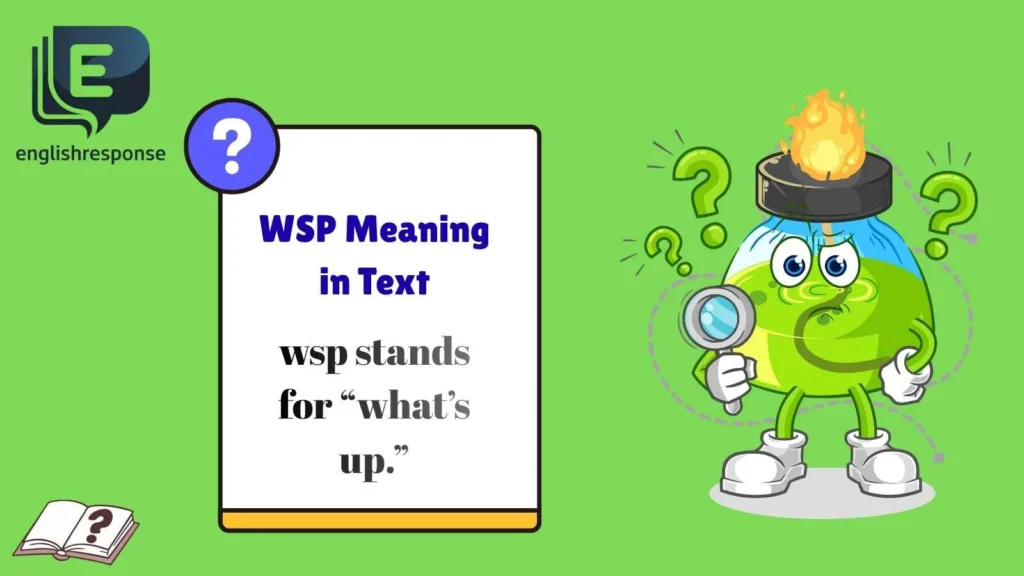
In simple terms, wsp is a casual way of asking “What’s up?” But like most text slang, its real meaning depends on context, tone, and who’s sending it.
What Does WSP Meaning in Text?
At its core, wsp stands for “what’s up.”
It’s a shortened, informal greeting commonly used in texting, DMs, and online chats.
Think of it as a digital head nod — simple, casual, and open-ended.
Instead of asking a full question, wsp invites the other person to share what they’re doing, how they’re feeling, or what’s new.
Real-life examples:
- A friend texts “wsp” late at night → They’re bored and want to talk.
- A crush sends “wsp?” → They’re starting a conversation without pressure.
- Someone messages “wsp rn” → They want to know what you’re doing right now.
No formality. No overthinking. Just vibes.
Origin and Background of the Term
Before wsp ever existed, people were already saying “What’s up?” for generations. It’s one of the most universal English greetings — casual, friendly, and adaptable.
The abbreviation wsp emerged with the rise of text messaging and instant chat culture, especially in the early 2000s. Back then, character limits and keypad typing made shortening words almost necessary.
Later, social platforms like WhatsApp, Snapchat, Instagram, and Twitter pushed slang even further. Speed became everything. Typing less meant replying faster.
Over time, wsp evolved from a shortcut into a tone marker. It doesn’t just ask a question — it signals relaxed energy. No pressure. No expectations.
That’s why it stuck.
How WSP Is Used in Daily Life
You’ll see wsp everywhere once you know what to look for. Here’s how people actually use it day to day:
- Starting a casual conversation
“wsp” is often the first message when someone doesn’t know what else to say. - Checking availability
It’s a low-key way to see if someone’s free to talk or hang out. - Flirting (subtly)
Short, casual messages can feel confident and effortless. - Reconnecting after silence
No awkward explanations — just “wsp” and move on. - Group chats
Used to revive dead conversations or check the vibe.
It’s quick, flexible, and emotionally neutral — which is exactly why people love it.
Emotional or Practical Meaning of WSP
On the surface, wsp looks simple. But emotionally? It carries layers.
For some, it means:
- “I’m bored.”
- “I miss talking to you.”
- “I want attention without sounding needy.”
Practically, it’s a conversation opener that doesn’t demand effort from either side. There’s no pressure to give a long reply. You can answer with:
- “Nothing much”
- “Just chilling”
- “Working, you?”
In modern digital culture, that low-pressure energy is powerful. WSP keeps conversations flowing without forcing emotional investment.
Similar or Related Terms
Here are some common alternatives you’ll see — and how they differ:
- Sup – Slightly more relaxed, often spoken.
- What’s up? – Full version, a bit more intentional.
- Yo – Very casual, sometimes abrupt.
- Hey – Neutral, safe, but less expressive.
- wyd – Focused on activity, not general status.
- hru – More personal, asks about feelings.
Each term sets a different tone, but wsp sits perfectly in the middle — casual yet open.
Common Misunderstandings About WSP
Despite its popularity, wsp is often misunderstood. Let’s clear things up.
- It’s not rude by default
Tone depends on relationship and context. - It’s not lazy communication
It’s intentional brevity, not lack of effort. - It’s not always boredom
Sometimes it’s curiosity or friendliness. - It’s not formal
Don’t use it in professional emails or serious settings. - It doesn’t demand instant replies
It’s casual, not urgent.
Understanding these nuances helps you respond without overthinking.
Examples of WSP in Sentences
Here’s how wsp looks in real conversations:
- “wsp, you still awake?”
- “wsp today? Wanna grab coffee?”
- “Haven’t talked in a while, wsp?”
- “wsp rn, I’m bored 😭”
- “Group chat’s dead… wsp?”
- “Hey, wsp with you lately?”
- “wsp if you’re free later”
- “wsp bestie 👀”
Short. Natural. Effortless.
Why Understanding WSP Meaning in Text Matters Today
Digital communication is all about tone without voice. A single word — or abbreviation — can change how a message feels.
Understanding the wsp meaning in text helps you:
- Avoid misreading intentions
- Respond appropriately
- Sound more natural online
- Stay socially aware in modern conversations
Language evolves fast. Staying updated isn’t about being trendy — it’s about connecting better.
And sometimes, connection starts with just three letters.
FAQs:
What does wsp mean in simple words?
It means “what’s up” — a casual way to ask what someone is doing or how they are.
Is wsp positive or negative?
Neutral to positive. The tone depends on context and relationship.
Where is wsp commonly used?
Text messages, Snapchat, Instagram DMs, WhatsApp, and casual online chats.
Is wsp formal or informal?
Very informal. Don’t use it in professional communication.
Why do people search for wsp meaning in text?
Because slang changes fast, and context isn’t always clear — especially for new or older users.
Change with passage of time:
As language evolves, meanings shift slightly, but wsp remains a staple of casual digital talk.
Conclusion:
At the end of the day, wsp isn’t just slang — it’s a reflection of how we communicate now. Fast, casual, and emotionally flexible.
Understanding the wsp meaning in text helps you read between the lines, reply with confidence, and stay connected without overthinking every message.
Language will keep changing. Slang will come and go.
But the desire to connect? That never fades.

Rana Sawalha is a passionate language enthusiast and author at EnglishResponse, dedicated to helping readers improve their English communication skills. With a focus on practical tips, engaging examples, and real-world conversation strategies, Rana Sawalha empowers learners to speak confidently and respond like a pro in any situation.