You’re texting someone. The conversation is flowing. Then suddenly, they reply with: “WTD?”
You pause.
Wait… what does that even mean?
If you’ve ever found yourself staring at your screen trying to decode short internet slang, you’re not alone. Text abbreviations are everywhere, and they change fast. Understanding them isn’t just helpful — it’s practically a survival skill in the digital age.
The WTD meaning in text is simple once you know it, but context matters more than you might think. It can shift tone, emotion, and even the direction of a conversation.
In this guide, we’ll break it down in plain English — no robotic definitions, no confusing explanations. Just clear examples, real-life situations, and practical insight so you never feel lost in a chat again.
What Does WTD Meaning in Text?
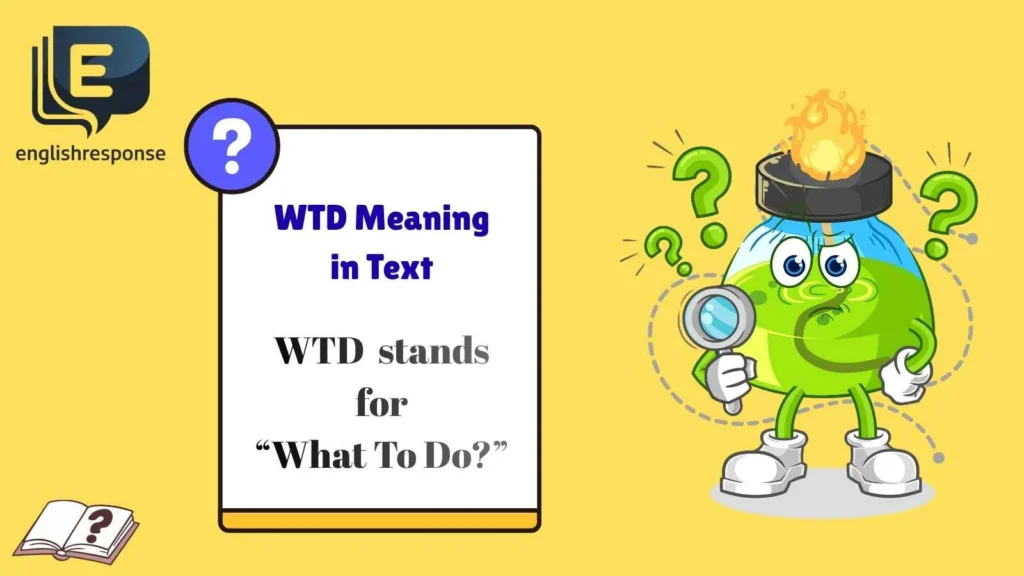
The WTD meaning in text usually stands for:
“What To Do?”
It’s commonly used when someone feels confused, bored, stuck, or unsure about what action to take next.
Instead of typing the full phrase, people shorten it to WTD — especially in fast conversations.
Simple Real-Life Examples
- “It’s raining and our plans got canceled. WTD?”
- “I finished all my tasks early… WTD now?”
- “He hasn’t replied in hours. WTD?”
In each case, the person is asking for suggestions, advice, or simply expressing uncertainty.
It’s casual. It’s quick. And it reflects how we communicate today — fast and informal.
Origin and Background of the Term
Text abbreviations didn’t just appear overnight.
Back in the early 2000s, when SMS messages had character limits, people shortened everything. “LOL,” “BRB,” and “OMG” became part of everyday language.
WTD followed the same pattern.
As texting became faster and social media platforms like WhatsApp, Snapchat, and Instagram grew, shorthand became a natural habit. People wanted to type less and say more.
Unlike older slang that came from street culture or regional dialects, WTD grew from digital culture — quick fingers, short attention spans, and constant online interaction.
It’s modern. It’s practical. And it reflects how communication continues to evolve.
How WTD Is Used in Daily Life
You’ll mostly see WTD in casual chats. Here’s how it typically shows up:
1. When Someone Is Bored
“Everyone’s busy tonight. WTD?”
2. When Plans Change
“Movie got canceled. WTD now?”
3. When Asking for Advice
“My boss moved the deadline earlier. WTD?”
4. When Feeling Emotionally Confused
“She said she needs space. WTD?”
5. When Looking for Suggestions
“I’m in the city for 3 hours. WTD?”
6. In Group Chats
“Food place is closed. WTD guys?”
Notice something?
It’s rarely formal. It’s conversational and spontaneous.
Emotional or Practical Meaning of WTD
On the surface, WTD simply means “What to do?”
But emotionally, it often carries more weight.
Sometimes it signals:
- Confusion
- Frustration
- Boredom
- Seeking connection
- Wanting reassurance
For example:
“He left me on read. WTD?”
That’s not just a question. It’s vulnerability wrapped in three letters.
In modern communication, short phrases often hide deeper feelings. Understanding this helps you respond more thoughtfully instead of giving a cold or dismissive answer.
Similar or Related Terms
Here are terms closely related to WTD:
- IDK (I Don’t Know)
Expresses uncertainty but doesn’t ask for help. - WYD (What You Doing?)
Asks what someone is currently doing. - WTF (What The…?)
Expresses shock or frustration, not advice-seeking. - SMH (Shaking My Head)
Shows disappointment, not confusion. - HTH (Hope That Helps)
Used when giving advice, opposite tone of WTD.
The key difference?
WTD asks for direction. Others mostly express reactions.
Common Misunderstandings About WTD
Let’s clear up some confusion.
1. It Doesn’t Always Mean Panic
Sometimes it’s casual boredom, not stress.
2. It’s Not Formal English
You wouldn’t use WTD in a job email.
3. It’s Not an Insult
It’s a question, not criticism.
4. It Doesn’t Always Require Deep Advice
Sometimes the person just wants a simple suggestion.
5. It’s Context-Dependent
Tone matters. “WTD 😂” feels different from “WTD…”
Understanding tone saves you from awkward replies.
Examples of WTD in Sentences
Here are natural, everyday uses:
- “My flight got delayed 5 hours. WTD?”
- “I studied everything and still feel lost. WTD?”
- “Everyone canceled last minute. WTD tonight?”
- “He said ‘we’ll see’ about our date. WTD?”
- “Game server is down again. WTD now?”
- “I finished the series in one day. WTD with my life?”
- “The cafe is full and I need WiFi. WTD?”
- “She replied with just ‘k.’ WTD?”
These examples show how flexible the phrase is.
Why Understanding WTD Meaning in Text Matters Today
Digital language shapes modern relationships.
If you misunderstand a simple abbreviation, you might:
- Miss someone asking for help
- Respond incorrectly
- Sound out of touch
- Create awkward tension
In today’s world, texting isn’t just chatting — it’s how we build friendships, maintain relationships, and solve problems.
Knowing the WTD meaning in text helps you:
- Communicate clearly
- Respond with empathy
- Stay culturally aware
- Avoid confusion
Language evolves. Staying updated keeps you connected.
FAQs:
What does WTD mean in simple words?
WTD means “What to do?” It’s used in text messages when someone feels unsure, bored, or needs advice.
Is WTD positive or negative?
It depends on context. It can be neutral (“WTD tonight?”) or emotional (“He ignored me. WTD?”).
Where is WTD commonly used?
Mostly in casual texting, social media chats, and group conversations.
Is WTD formal or informal?
It’s informal and shouldn’t be used in professional communication.
Why do people search for WTD meaning in text?
With the passage of time, texting slang evolves quickly. People search for meanings to avoid misunderstandings and stay updated with digital communication trends.
Conclusion:
Language never stands still.
Three simple letters — WTD — can carry confusion, curiosity, or even quiet vulnerability. Understanding the WTD meaning in text isn’t just about slang. It’s about staying connected in a fast-moving digital world.
When someone types “WTD?”, they’re often inviting you into their moment — whether it’s boredom, frustration, or uncertainty.

Rana Sawalha is a passionate language enthusiast and author at EnglishResponse, dedicated to helping readers improve their English communication skills. With a focus on practical tips, engaging examples, and real-world conversation strategies, Rana Sawalha empowers learners to speak confidently and respond like a pro in any situation.