You’ve probably seen it hundreds of times. A friend sends a meme. Someone replies with “lol.” A comment section explodes with “LOL 😂.”
But have you ever paused and wondered what it really means?
The phrase lol meaning in text might seem obvious at first. Yet, depending on context, tone, and timing, it can mean completely different things. Sometimes it shows real laughter. Other times, it softens awkwardness. And occasionally… it hides sarcasm.
Understanding modern text language isn’t just about staying trendy. It helps you communicate better, avoid misunderstandings, and connect naturally in today’s digital world.
In short, knowing what “LOL” truly means can improve how you read between the lines.
What Does LOL Meaning in Text?
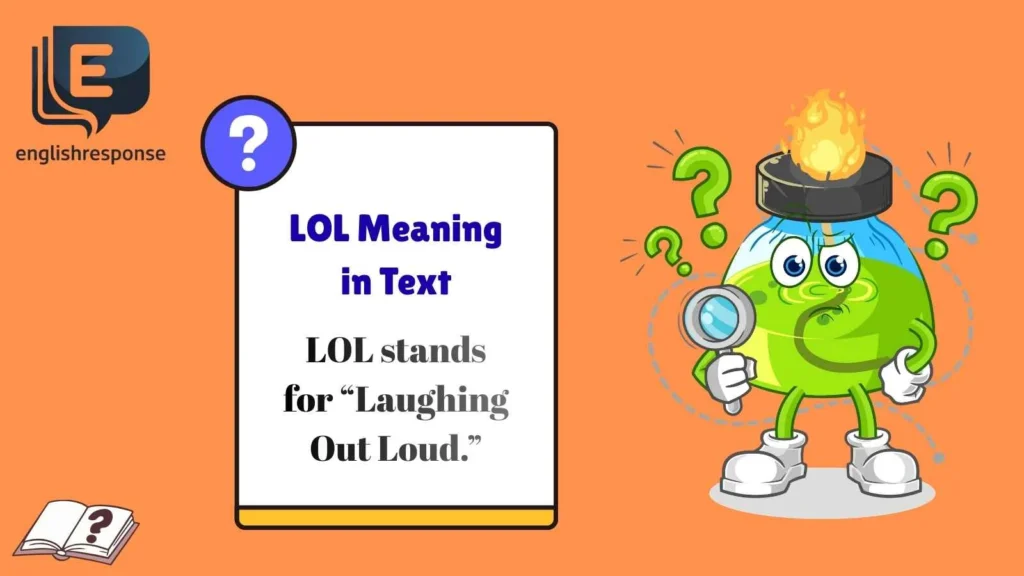
In simple terms, LOL stands for “Laughing Out Loud.”
It’s used in text messages, social media posts, and online chats to show amusement or humor. But here’s the twist — most people aren’t actually laughing out loud when they type it.
Instead, it often means:
- “That’s funny.”
- “I’m amused.”
- “That was cute.”
- “I don’t know what else to say.”
Real-Life Examples
- Your friend says, “I tripped in front of everyone today.”
You reply: “LOL, are you okay though?” - Someone sends a funny meme.
You type: “lol that’s so accurate.” - A coworker makes a light joke in a group chat.
You respond: “LOL, good one.”
See how it fits naturally into conversation? It’s quick, casual, and expressive.
Origin and Background of the Term
The story of LOL goes back to the early days of the internet.
In the 1980s and 1990s, online chatrooms and message boards became popular. Platforms like AOL Instant Messenger and early forums required fast typing. People wanted shortcuts. So instead of writing “laughing out loud” every time, users started typing “LOL.”
It was efficient. It saved time. And it stuck.
As texting grew in the 2000s, especially with SMS messaging limits, abbreviations became essential. LOL became one of the most recognized digital expressions worldwide.
Interestingly, in 2011, The Oxford English Dictionary officially added “LOL” as a word. That’s when it moved from internet slang to mainstream language.
Pretty impressive for three small letters, right?
How LOL Is Used in Daily Life
Today, LOL isn’t just for funny jokes. It plays multiple roles in digital communication.
Here’s how people commonly use it:
1. Showing Humor
“LOL that video made my day.”
2. Softening a Statement
“I totally forgot about the meeting lol.”
(Here, it reduces tension or embarrassment.)
3. Avoiding Awkward Silence
“Oh… lol.”
(Sometimes used when you don’t know how to respond.)
4. Being Polite
“Sure lol, no problem!”
5. Light Sarcasm
“Yeah, that was a great idea lol.”
Tone matters here.
6. Casual Agreement
“LOL same.”
It’s short. It’s versatile. And it fits almost anywhere in informal conversation.
Emotional or Practical Meaning of LOL
Here’s where it gets interesting.
LOL isn’t just about laughter. It’s about social comfort.
In digital communication, we lack facial expressions and tone of voice. So people use words like LOL to fill emotional gaps.
It can:
- Make messages feel warmer
- Reduce tension
- Signal friendliness
- Prevent misunderstandings
In many cases, “lol” doesn’t mean laughter. It means:
“I’m being friendly.”
“I’m not upset.”
“This is lighthearted.”
In today’s fast-paced online world, these subtle emotional cues matter more than ever.
Similar or Related Terms

Here are common alternatives to LOL and how they differ:
- LMAO – Laughing My A** Off (stronger laughter)
- ROFL – Rolling On the Floor Laughing (extreme laughter)
- Haha – Simple written laughter
- LMFAO – Even stronger version of LMAO
- Hehe – Soft or playful laugh
- 😂 (Crying emoji) – Visual way to show laughter
- LOLZ – Playful or exaggerated version of LOL
Each one carries slightly different intensity and tone.
Common Misunderstandings About LOL
Even though it’s simple, people often misunderstand it.
1. It Always Means Real Laughter
Not true. Most people aren’t actually laughing out loud.
2. It’s Only for Funny Situations
Sometimes it’s used to ease awkwardness instead.
3. It’s Unprofessional Everywhere
While informal, some relaxed workplaces use it in casual chats.
4. It Shows Immaturity
Not necessarily. Context matters.
5. It Means the Same for Everyone
Different age groups use it differently. Teens might use it more casually than older adults.
Understanding tone is key.
Examples of LOL in Sentences
Here are natural, everyday examples:
- “You wore mismatched shoes? LOL that’s amazing.”
- “I can’t believe we stayed up till 3am lol.”
- “Sure lol, I’ll bring snacks.”
- “That plot twist though lol.”
- “You really thought that would work? LOL.”
- “LOL I needed that laugh today.”
- “I forgot my wallet again lol.”
- “That’s not what I meant lol.”
Notice how flexible it is?
Why Understanding LOL Meaning in Text Matters Today
Digital communication is now part of everyday life.
From texting friends to chatting with coworkers, understanding internet language helps you avoid confusion.
Imagine misreading someone’s “lol” as mocking when they meant friendliness. That small misunderstanding could change the tone completely.
Also, if you’re creating content online — blogs, social media posts, marketing copy — understanding how people actually communicate makes your writing more relatable.
Language evolves. And staying aware of these shifts keeps you socially and professionally sharp.
The phrase lol meaning in text isn’t just a definition. It reflects how humans adapt language to new technology.
FAQs:
What does lol meaning in text mean in simple words?
It means “laughing out loud.” In simple terms, it shows that something is funny or amusing.
Is lol positive or negative?
Usually positive. It often signals friendliness or humor. However, tone and context can sometimes make it sarcastic.
Where is lol commonly used?
It’s commonly used in text messages, social media comments, online chats, and casual group conversations.
Is lol formal or informal?
It’s informal. It’s best used in casual settings, not professional emails or academic writing.
Why do people search for lol meaning in text?
Because language changes with time. People want clarity about digital slang and how to use it correctly in modern conversations.
Conclusion:
So, what’s the real story behind LOL?
It’s more than just “laughing out loud.” It’s a social signal, a tone softener, a friendliness marker, and sometimes even a conversation saver.
Understanding the lol meaning in text helps you communicate clearly, interpret messages correctly, and connect naturally in today’s digital world.
Language isn’t static. It evolves with us. And when you understand these small details, you don’t just text better — you connect better.
Because sometimes, three tiny letters can carry more emotion than a whole sentence.

Rana Sawalha is a passionate language enthusiast and author at EnglishResponse, dedicated to helping readers improve their English communication skills. With a focus on practical tips, engaging examples, and real-world conversation strategies, Rana Sawalha empowers learners to speak confidently and respond like a pro in any situation.