You’ve probably seen “wlw” pop up in a bio, a tweet, or maybe in a text message and thought, “Wait… what does that mean?” You’re not alone.
The internet moves fast, and new terms seem to appear every day. Some fade away. Others stick around and become part of everyday digital language. “wlw meaning in text” is one of those phrases people search when they want clarity without confusion.
At its core, wlw is simple. But its emotional and cultural significance runs deeper than just three letters. Understanding it isn’t just about decoding slang — it’s about recognizing identity, respect, and representation in modern conversations.
What Does WLW Mean?
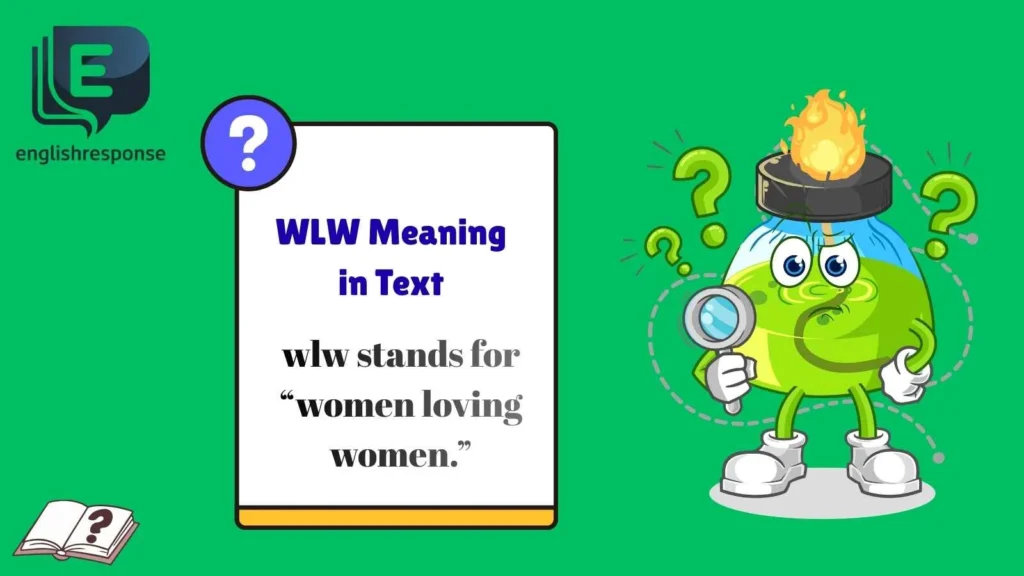
In text, wlw stands for “women loving women.”
It’s commonly used to describe women who are romantically or emotionally attracted to other women. This includes:
- Lesbian women
- Bisexual women
- Pansexual women
- Queer women who love women
Unlike labels that focus strictly on sexual orientation, wlw emphasizes connection and attraction between women, without forcing someone into a rigid identity box.
Real-Life Examples
- “This movie is such a sweet wlw love story.”
- “She’s a proud wlw and advocates for LGBTQ+ rights.”
- “I love finding wlw creators online.”
Notice how the term feels natural and community-focused. It’s inclusive and affirming rather than clinical or formal.
Origin and Background of the Term
The term wlw grew from online LGBTQ+ communities, particularly on platforms like Tumblr and Twitter in the early 2010s.
It developed alongside similar abbreviations like:
- MLM (men loving men)
- Sapphic (relating to women attracted to women)
The idea wasn’t to replace words like “lesbian.” Instead, it offered something broader and more flexible.
For example, some women feel attraction to other women but don’t fully identify as lesbian. Others prefer not to label their sexuality at all. WLW gave space without pressure.
As online communities grew, so did the usage of the term. It became a respectful shorthand in:
- Social media bios
- Fan communities
- Dating apps
- Online discussions
It’s now part of modern digital vocabulary.
How WLW Is Used in Daily Life
You’ll mostly see wlw in informal settings. It’s rarely used in formal documents but very common in digital spaces.
Here are practical examples:
- Social Media Bios
“Artist | 24 | wlw” - Hashtags
#wlw #wlwcommunity #wlwbooks - Dating Apps
Used to clarify attraction preferences. - Fan Communities
“This series needs more wlw representation.” - Text Messages
“Is that show wlw?” - Online Forums
Discussing shared experiences and relationships.
It’s short, clear, and widely understood in LGBTQ+ circles.
Emotional or Practical Meaning of WLW
WLW isn’t just shorthand. It carries emotional weight.
For many women, discovering or using this term feels validating. It says:
- You belong.
- Your identity is seen.
- You don’t have to explain everything.
In a world where identity can be misunderstood, wlw creates community. It’s softer than labels that feel restrictive. It allows room for fluidity.
Culturally, it also promotes visibility. Representation in media matters. When someone says, “We need more wlw stories,” they’re asking for authentic portrayals of women loving women.
That visibility helps others feel less alone.
Similar or Related Terms
Here are related terms and how they differ:
- Lesbian – A woman exclusively attracted to women.
- Bisexual – Attracted to more than one gender.
- Pansexual – Attraction regardless of gender.
- Sapphic – Refers broadly to women attracted to women.
- Queer – Umbrella term for non-heterosexual identities.
The key difference?
WLW focuses on attraction between women without defining the full sexual orientation.
Common Misunderstandings About WLW
Let’s clear up some confusion.
1. WLW only means lesbian.
Not true. It includes lesbian women but isn’t limited to them.
2. It’s a new trend or phase.
No. The term reflects long-standing identities. The abbreviation is newer, but the experience isn’t.
3. It’s inappropriate slang.
It’s informal, yes — but respectful and widely accepted.
4. It excludes bisexual women.
Actually, it includes them if they love women.
5. It’s only used online.
Mostly online, but increasingly recognized offline too.
Understanding these nuances prevents accidental misunderstanding.
Examples of WLW in Sentences
Here are natural, everyday examples:
- “I’m looking for good wlw romance novels.”
- “She creates beautiful wlw art.”
- “That show finally has a strong wlw lead.”
- “As a wlw, I felt seen watching that movie.”
- “The wlw community online is so supportive.”
- “Is this storyline confirmed to be wlw?”
- “I didn’t know what wlw meant until recently.”
- “We need more positive wlw representation in media.”
See how it flows casually? That’s how it’s typically used.
Why Understanding WLW Meaning in Text Matters Today
Language evolves. And digital language evolves even faster.
Knowing what wlw means helps you:
- Communicate respectfully
- Avoid awkward misunderstandings
- Support inclusive conversations
- Stay culturally aware
In today’s interconnected world, awareness isn’t optional. It’s part of being socially intelligent.
Even if you don’t personally identify with the term, understanding it shows empathy. And empathy builds better conversations — online and offline.
When people search “wlw meaning in text,” they’re usually looking for clarity. Sometimes they’re questioning their identity. Sometimes they just want to understand a tweet.
Either way, knowledge creates confidence.
FAQs:
What does wlw mean in simple words?
It means women loving women — women who are romantically or emotionally attracted to other women.
Is wlw positive or negative?
It’s generally positive and affirming. It’s used respectfully within LGBTQ+ communities.
Where is wlw commonly used?
Mostly on social media, dating apps, online forums, and in fan communities.
Is wlw formal or informal?
It’s informal. You wouldn’t typically see it in academic writing, but it’s common in casual digital conversations.
Why do people search for wlw meaning in text?
Because they see it online and want clarity. It’s also searched by people exploring identity or trying to understand inclusive language better.
Conclusion:
Understanding the wlw meaning in text isn’t just about decoding internet slang. It’s about recognizing identity, respect, and belonging in modern culture.
Three letters can carry a lot of meaning. They can represent community, love, and self-expression. And when we take the time to understand terms like wlw, we’re choosing awareness over assumption.
Language connects us. It evolves with us. And every time you learn something new, you become a little more open, a little more informed, and a little more human.

Rana Sawalha is a passionate language enthusiast and author at EnglishResponse, dedicated to helping readers improve their English communication skills. With a focus on practical tips, engaging examples, and real-world conversation strategies, Rana Sawalha empowers learners to speak confidently and respond like a pro in any situation.