Have you ever received a message that simply said “yk” and paused for a second, wondering what it meant?
You’re not alone. In today’s fast-moving digital world, abbreviations pop up everywhere. From WhatsApp chats to Instagram DMs, short forms dominate conversations. And one of the most common ones is “yk meaning in text.”
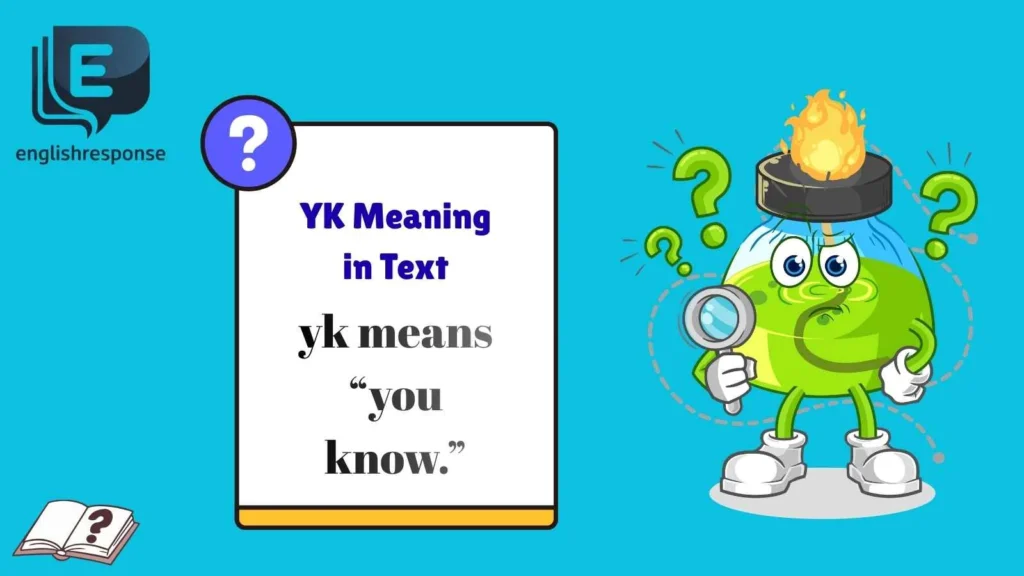
In simple words, “yk” stands for “you know.” It’s casual, quick, and widely used in everyday texting. But here’s the thing—understanding these tiny abbreviations actually matters. They shape how we communicate, connect, and express emotions online.
If you misread them, you might misunderstand the tone of a conversation. And in texting, tone is everything.
What Does YK Mean?
At its core, yk means “you know.”
It’s used in casual digital conversations to:
- Confirm shared understanding
- Add emphasis
- Make a statement feel relatable
- Keep the tone informal
Instead of typing “you know,” people shorten it to “yk” to save time.
Real-Life Examples:
- “It’s just one of those days, yk?”
- “I was telling you about that movie, yk, the horror one.”
- “He’s different now, yk what I mean?”
Notice something? It softens the sentence. It makes the message feel conversational—like real speech.
It’s not formal. It’s not meant for professional emails. It belongs to everyday texting culture.
Origin and Background of the Term
Abbreviations like “yk” didn’t appear overnight.
They evolved alongside texting culture in the early 2000s when SMS had character limits. Back then, people shortened everything—“u” instead of “you,” “brb,” “lol,” and eventually “yk.”
As messaging apps like WhatsApp, Snapchat, and Instagram grew, these shortcuts became habits.
The goal? Speed and simplicity.
Over time, “yk” became part of digital language. It mimics natural speech patterns. When we talk face-to-face, we say “you know” all the time. So texting adapted to match how we speak.
Language evolves. And “yk” is proof of that.
How YK Is Used in Daily Life
You’ll see “yk” in different everyday situations. Let’s make it practical.
1. Expressing Shared Feelings
“It’s exhausting sometimes, yk?”
2. Seeking Agreement
“That place is overrated, yk?”
3. Softening Opinions
“I don’t think it’s that serious, yk.”
4. Adding Casual Emphasis
“It just hits different, yk?”
5. Avoiding Long Explanations
“You’ve been there before, yk.”
6. Making Conversations Friendly
“I was just joking, yk!”
It makes messages feel more human and less robotic.
Emotional or Practical Meaning of YK
On the surface, “yk” seems small.
But emotionally, it plays a bigger role.
When someone says “yk,” they’re often:
- Trying to connect
- Checking if you relate
- Softening a statement
- Seeking validation
For example:
“I feel like nobody understands me, yk?”
That “yk” isn’t random. It’s emotional. It invites empathy.
In digital conversations where facial expressions don’t exist, small words like this help create warmth and connection.
That’s powerful.
Similar or Related Terms
Here are other abbreviations related to “yk” and how they differ:
- IK – “I know.” (Shows agreement or awareness.)
- YKWIM – “You know what I mean.” (Stronger emphasis.)
- IMO – “In my opinion.” (Opinion-based, more structured.)
- TBH – “To be honest.” (Honesty emphasis.)
- IDK – “I don’t know.” (Uncertainty.)
While they’re all casual, “yk” specifically signals shared understanding.
It’s subtle but meaningful.
Common Misunderstandings About YK
Let’s clear up some confusion.
1. It’s Not a Formal Abbreviation
You shouldn’t use it in academic writing or job emails.
2. It Doesn’t Always Seek Agreement
Sometimes it’s just conversational filler.
3. It’s Not Rude
Tone depends on context, not the abbreviation itself.
4. It’s Not a Slang Word
It’s an abbreviation, not a new vocabulary word.
5. It Doesn’t Replace Full Sentences
It supports conversation—it doesn’t carry meaning alone.
Understanding context is key.
Examples of YK in Sentences
Here are natural, everyday examples:
- “It’s just been a long week, yk?”
- “He’s not the same person anymore, yk.”
- “I thought you’d understand, yk what I’m saying?”
- “That song reminds me of summer, yk?”
- “It’s hard to explain, yk.”
- “You’ve felt that way before, yk?”
- “It’s kind of awkward, yk.”
- “I didn’t mean it like that, yk?”
Notice how it mirrors spoken language.
Why Understanding YK Meaning in Text Matters Today
Digital communication moves fast.
If you don’t understand common abbreviations, conversations can feel confusing. Especially for parents, professionals, or anyone trying to keep up with modern texting trends.
Understanding “yk meaning in text” helps you:
- Communicate clearly
- Avoid misunderstandings
- Connect better in casual chats
- Stay updated with digital language
Language reflects culture. And digital culture evolves constantly.
Staying informed keeps you confident in conversations.
FAQs:
What does yk mean in simple words?
It means “you know.” It’s used casually in texting to confirm understanding or add emphasis.
Is yk positive or negative?
Neither. It depends entirely on the sentence. It can sound friendly, emotional, or neutral.
Where is yk commonly used?
Mostly in texting apps, social media, and informal online conversations.
Is yk formal or informal?
It’s strictly informal. Avoid using it in professional communication.
Why do people search for yk meaning in text?
Because digital abbreviations change quickly. People want clarity, especially when they receive unfamiliar messages.
Conclusion:
At first glance, “yk” looks tiny. Almost insignificant.
But language isn’t just about words—it’s about connection.
Understanding yk meaning in text helps you read between the lines. It helps you notice tone, emotion, and intention in digital conversations. And in a world where most communication happens through screens, that awareness matters more than ever.
Stay curious. Keep learning. Language evolves—but so can you.

Rana Sawalha is a passionate language enthusiast and author at EnglishResponse, dedicated to helping readers improve their English communication skills. With a focus on practical tips, engaging examples, and real-world conversation strategies, Rana Sawalha empowers learners to speak confidently and respond like a pro in any situation.