Have you ever been in the middle of a text conversation when someone suddenly replied with “GTS” and disappeared? No explanation.
No emoji. Just three letters. If you’ve ever paused and thought, “Wait… what does that even mean?” — you’re not alone.
Texting language moves fast. Slang, abbreviations, and shortcuts pop up overnight, and suddenly everyone seems to know them except you.
That’s exactly why understanding the gts meaning in text matters more than you might think. It helps you avoid awkward misunderstandings and keeps conversations flowing naturally.
At its core, GTS is simple, but its tone can change depending on context. It can sound casual, caring, dismissive, or even flirty — all based on how and when it’s used.
In today’s world of quick messages and short attention spans, knowing what GTS means can save you from confusion and help you respond the right way.
What Does GTS Mean in Text?
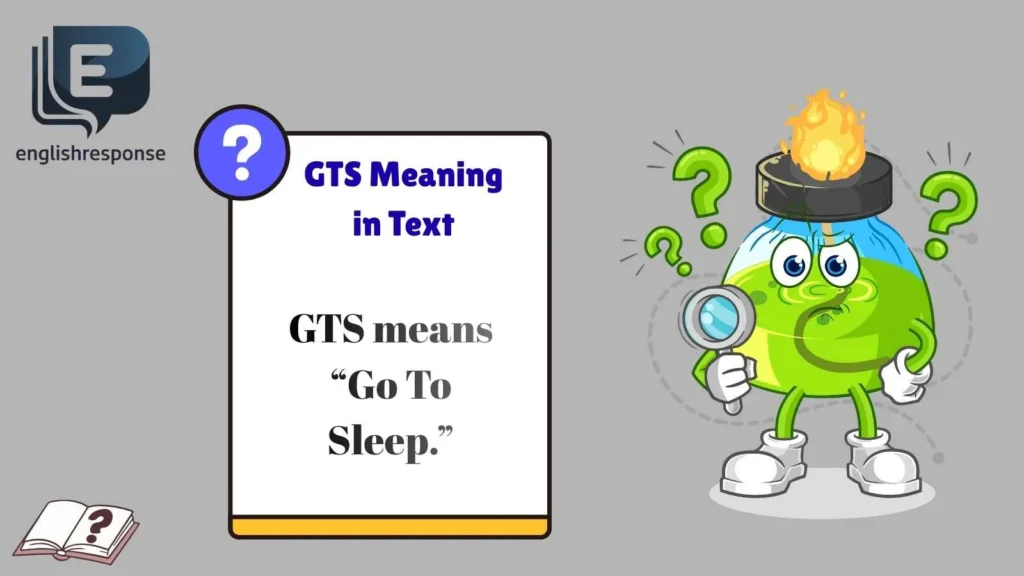
In most texting conversations, GTS means “Go To Sleep.”
That’s it. Simple, right? But like many text abbreviations, the meaning shifts depending on tone, relationship, and timing.
Here’s how it usually plays out in real life:
- A friend notices you’re texting at 3 a.m. and says, “You’ve got work tomorrow. GTS.”
- Someone you care about says, “You look exhausted. GTS and text me tomorrow.”
- Or, in a slightly annoyed tone: “I’m done arguing. GTS.”
Same letters. Totally different feelings.
Unlike formal abbreviations, GTS feels casual and conversational. It’s rarely used in professional settings and mostly lives in texting, DMs, and chats between people who know each other well.
Origin and Background of the Term
GTS didn’t appear out of nowhere. It grew naturally from the rise of text messaging culture in the early 2000s.
Back then, phones had tiny keyboards. Typing full sentences was annoying. People started shortening everything:
- BRB (Be Right Back)
- LOL (Laugh Out Loud)
- TTYL (Talk To You Later)
“Go to sleep” became GTS for speed and convenience.
As smartphones and social media exploded, so did the use of abbreviations. Platforms like SMS, WhatsApp, Snapchat, and Instagram DMs helped cement GTS as a common phrase — especially among younger users and late-night texters.
Over time, GTS stopped being just a shortcut. It became a social signal — a way to show concern, set boundaries, or gently end a conversation.
How GTS Is Used in Daily Life

You’ll mostly see GTS in informal, relaxed conversations. Here are some practical, everyday ways people use it:
- Friendly advice
“You’ve been awake all night. GTS.” - Caring reminder
“Big day tomorrow. GTS and rest.” - Ending a late conversation
“I’m exhausted. GTS, we’ll talk later.” - Playful teasing
“You’re cranky because you didn’t sleep. GTS 😂” - Setting a boundary
“This convo’s going nowhere. GTS.” - Flirty concern
“You need rest, cutie. GTS ❤️”
Short. Direct. Human.
Emotional or Practical Meaning of GTS
Beyond the literal words, GTS often carries emotional weight.
Sometimes it means:
- “I care about your well-being.”
- “You’re tired, and I notice.”
Other times, it signals:
- “I’m done talking for now.”
- “Let’s pause this conversation.”
In modern digital culture, sleep is tied to mental health, productivity, and self-care. So telling someone to “go to sleep” isn’t always bossy — it can be supportive.
Still, tone matters. A soft “GTS” feels different from a cold one. Context is everything.
Similar or Related Terms
Here are some common terms people use instead of GTS, with slight differences:
- GN (Good Night) – Polite and friendly, often warmer
- Sleep well – More caring and thoughtful
- Rest up – Supportive, often encouraging
- Go rest – Casual and gentle
- I’m heading to bed – Focuses on the speaker, not the other person
- Lights out – Playful or joking tone
Each option changes the emotional temperature of the message.
Common Misunderstandings About GTS
Let’s clear up a few myths that confuse people:
- “GTS is always rude”
Not true. Tone and relationship decide that. - “It means the same as ‘Good night’”
Close, but GTS is more direct and less formal. - “Only teenagers use GTS”
Adults use it too — especially in casual chats. - “GTS ends the conversation permanently”
Usually it just means for now. - “It’s aggressive by default”
Not unless the context makes it so.
Understanding these nuances helps you respond appropriately instead of overthinking it.
Examples of GTS in Sentences
Here are some natural, everyday examples you might actually see or use:
- “You’re half asleep already, GTS.”
- “I’ll text you tomorrow. GTS.”
- “Stop overthinking — GTS and relax.”
- “You sound exhausted. Please GTS.”
- “It’s 4 a.m., why are you awake? GTS 😂”
- “We’ll talk later, okay? GTS.”
- “You’ve done enough for today. GTS.”
Notice how each one feels slightly different emotionally.
Why Understanding GTS Meaning in Text Matters Today
Digital communication is fast, short, and emotional — even when we don’t mean it to be. One misunderstood message can change the tone of an entire conversation.
Knowing the gts meaning in text helps you:
- Read emotional cues better
- Avoid unnecessary confusion
- Respond with empathy
- Keep conversations smooth and human
In a world where most relationships live partly online, understanding small phrases like GTS makes communication clearer and kinder.
Sometimes, three letters say more than a full paragraph.
FAQs:
What does GTS mean in simple words?
GTS means “Go To Sleep.” It’s a casual way to tell someone to rest or end a conversation for the night.
Is GTS positive or negative?
It depends on context. It can be caring and supportive or dismissive, depending on tone and relationship.
Where is GTS commonly used?
You’ll mostly see it in text messages, social media DMs, and casual online chats.
Is GTS formal or informal?
GTS is informal and should be avoided in professional or formal communication.
Why do people search for GTS meaning in text?
Because abbreviations change over time, and people want to avoid misunderstanding modern slang as language evolves.
Conclusion:
At first glance, GTS looks like just another random text abbreviation. But once you understand it, you realize it’s more than that.
It’s a tiny phrase with emotional impact, shaped by timing, tone, and connection.
Knowing the gts meaning in text helps you communicate better, read between the lines, and respond with intention — not guesswork. And in a digital world where words are short but feelings are real, that understanding matters.

Rana Sawalha is a passionate language enthusiast and author at EnglishResponse, dedicated to helping readers improve their English communication skills. With a focus on practical tips, engaging examples, and real-world conversation strategies, Rana Sawalha empowers learners to speak confidently and respond like a pro in any situation.