Have you ever been texting someone, scrolling through social media, or reading a comment online when you suddenly saw “ts” and thought, Wait… what does that even mean? You’re not alone.
Short forms like this pop up everywhere, and if you’re not familiar with them, they can feel confusing—or even a little awkward to ask about.
The ts meaning in text isn’t always obvious at first glance. Unlike common abbreviations such as “LOL” or “BRB,” “ts” changes meaning depending on context, tone, and even the platform where it’s used.
One moment it can sound emotional, the next it’s casual, and sometimes it’s just plain slang. Understanding these small text terms actually matters more than people think.
They shape how messages are read, how emotions are perceived, and how conversations flow online. Misreading one tiny phrase can change the entire vibe of a conversation.
What Does “TS” Mean in Text?
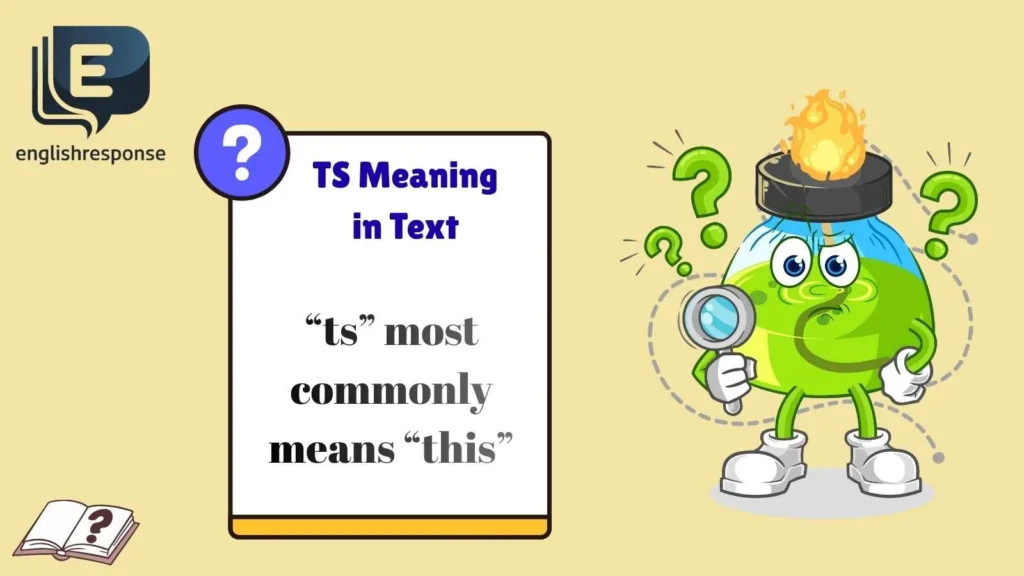
In texting and online conversations, “ts” most commonly means “this” or “that sh*t,” depending on the situation. Yep—context is everything here.
When someone uses ts, they’re usually shortening a word or phrase to type faster or sound more casual. For example:
- “I can’t believe ts happened.”
- “I’m done with ts, honestly.”
In the first sentence, ts likely means this.
In the second, it often stands for that situation or that stuff—sometimes with emotional weight.
People use ts when:
- They’re texting fast
- They want to sound relaxed or informal
- They’re expressing emotion without spelling everything out
It’s not formal, it’s not professional—but it’s very real-life texting language.
Origin and Background of the Term
The rise of ts is closely tied to how digital communication evolved. As texting became more common in the early 2000s, people started shortening words to save time, characters, and effort. Think about old SMS limits—every letter mattered.
Over time, slang grew naturally inside online communities, especially among younger users on platforms like:
- Twitter (now X)
- TikTok
- Snapchat
- Group chats
Instead of typing full words like this or that stuff, people began trimming them down. “Ts” stuck because it’s fast, flexible, and emotionally expressive.
Interestingly, slang like ts isn’t random—it follows linguistic patterns. Humans naturally shorten words they use often. That’s why terms like “gonna,” “wanna,” and now “ts” feel so natural in casual writing.
How “TS” Is Used in Daily Life
You’ll mostly see ts in informal, everyday communication. Here are some common ways people actually use it:
- Expressing frustration
“I’m tired of ts, for real.” - Referring to a situation
“We already talked about ts yesterday.” - Reacting emotionally
“Why does ts always happen to me?” - Keeping things casual
“You know ts already.” - Avoiding repetition
“Same problem, same ts.” - Online comments or captions
“Can’t deal with ts today 😩”
Short, simple, and straight to the point—that’s why people love it.
Emotional or Practical Meaning of “TS”
Beyond its literal meaning, ts carries emotional weight. It often reflects mood, attitude, or frustration without spelling it out.
When someone says:
- “I’m done with ts”
they’re usually emotionally tired, not just explaining facts.
In modern communication, people rely on short expressions to convey big feelings. “Ts” works because it:
- Sounds casual
- Feels relatable
- Leaves room for emotion
It’s especially popular among younger users who value authenticity and speed over perfect grammar. In many ways, ts mirrors how people talk in real life—fast, emotional, and context-driven.
Similar or Related Terms
Here are some terms often used in a similar way, with clear differences:
- This – The full, formal version
- That – More specific, less emotional
- Stuff – Neutral, less slangy
- Sh*t – Stronger emotion, more explicit
- Situation – Formal and clear
- Thing – Casual but less expressive
Ts stands out because it’s short, flexible, and emotionally charged without always being explicit.
Common Misunderstandings About “TS”
Let’s clear up a few myths people often have about ts:
- It only means one thing
❌ Wrong. Context changes everything. - It’s inappropriate all the time
❌ Not always—it depends on usage. - It’s formal language
❌ Definitely not. It’s casual slang. - Only teenagers use it
❌ Adults use it too, especially online. - It’s rude by default
❌ Tone matters more than the word itself. - It can be used anywhere
❌ Avoid it in professional or academic writing.
Understanding these nuances helps avoid awkward misunderstandings.
Examples of “TS” in Sentences
Here are some natural, everyday examples you might actually see or use:
- “I can’t keep dealing with ts every week.”
- “You already know how ts goes.”
- “Why is ts so complicated?”
- “I’m over ts, honestly.”
- “We talked about ts before.”
- “Same ts, different day.”
- “Don’t bring ts up again.”
- “I’m tired of explaining ts.”
Each sentence shows how ts fits naturally into casual conversation.
Why Understanding “TS” Matters Today
Language is constantly changing, especially online. New slang forms appear almost daily, and understanding them helps people:
- Communicate clearly
- Avoid misunderstandings
- Feel included in conversations
Knowing the ts meaning in text isn’t just about slang—it’s about digital literacy. Whether you’re a student, a parent, a professional, or just someone who texts a lot, understanding modern language helps you stay connected.
In a world driven by short messages and fast replies, small words carry big meaning.
FAQs:
What does ts mean in simple words?
It usually means “this” or refers to a situation or thing, depending on context.
Is ts positive or negative?
It can be either. Most often, it carries emotional or frustrated tones, but not always.
Where is ts commonly used?
Mostly in text messages, social media, and casual online chats.
Is ts formal or informal?
It’s informal slang and shouldn’t be used in professional writing.
Why do people search for ts meaning in text?
Because it’s common, confusing at first, and context-dependent, making people curious.
Conclusion:
Language doesn’t stand still—it grows, adapts, and reflects how we live.
The ts meaning in text is a perfect example of how modern communication values speed, emotion, and connection over rigid rules.
Once you understand it, ts stops feeling confusing and starts feeling natural. You’ll read messages with more clarity, respond with confidence, and feel more in sync with today’s digital world.

Rana Sawalha is a passionate language enthusiast and author at EnglishResponse, dedicated to helping readers improve their English communication skills. With a focus on practical tips, engaging examples, and real-world conversation strategies, Rana Sawalha empowers learners to speak confidently and respond like a pro in any situation.