In the fast-paced world of texting and online chats, acronyms fly around like confetti. One of the most common ones you’ve probably seen is “TY”.
You might have received a message that simply says “TY” and wondered, “Wait… what does that mean exactly?” Don’t worry—you’re not alone.
With social media, texting, and messaging apps, abbreviations like this have become part of our daily language. Understanding these shortcuts isn’t just about decoding words—it’s about staying connected in modern communication.
In this article, we’ll break down TY meaning in text, explore its origin, give you real-life examples, and help you use it naturally in conversation.
What Does TY Mean?
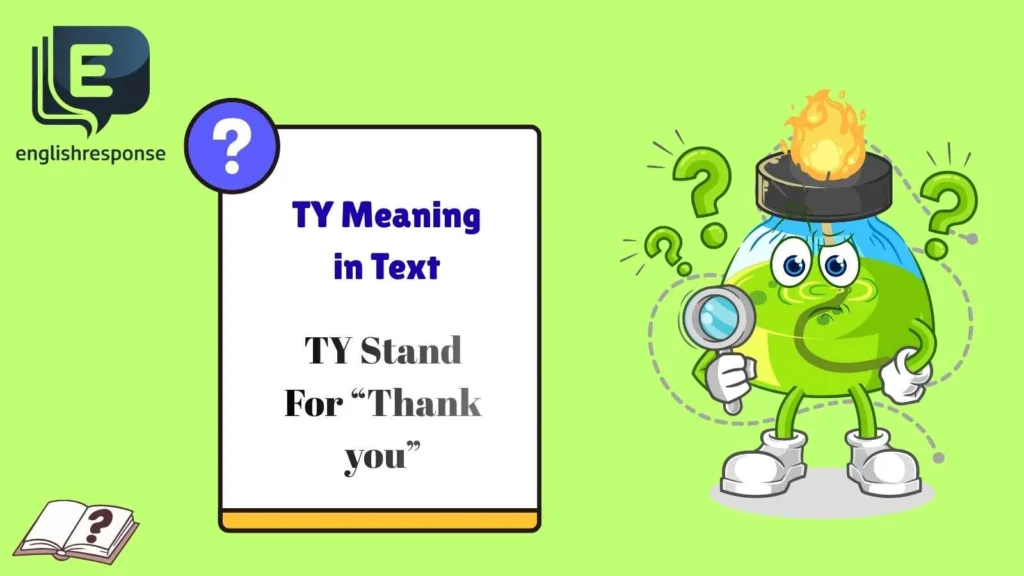
At its core, TY simply means “thank you.” It’s a shorthand way to show gratitude without typing the full phrase. Think of it as a digital nod or a quick smile—you’re acknowledging someone’s effort, gift, or kind words in just two letters.
Examples in real life:
- Your friend sends you a cute picture of your pet and you reply, “TY!”
- A colleague shares a helpful tip in a group chat. You respond with “TY, that’s really useful.”
- Someone holds the door open for you, and in a text later, you write, “TY for earlier!”
See how easy it is? Short, polite, and universally understood in most online communities.
Origin and Background of the Term
The term “TY” emerged with the rise of instant messaging in the late 1990s and early 2000s. Back then, character limits on platforms like MSN Messenger, AOL Instant Messenger, and even SMS encouraged users to abbreviate common phrases. “Thank you” was too long for quick exchanges, so people started using TY.
Over time, it spread to texting, chat apps, forums, and social media. Today, it’s a staple in digital conversations across all age groups, proving that brevity really is the soul of wit in online communication.
How TY Is Used in Daily Life
TY isn’t just for casual texts—it pops up everywhere online. Here are some everyday examples:
- Text messages:
Friend: “I brought your favorite snack!”
You: “TY! You didn’t have to.” - Social media comments:
Comment: “Hope your day is amazing!”
Reply: “TY! That means a lot.” - Emails:
“TY for sending the documents so quickly.” - Gaming chats:
After someone revives you in an online game, you type “TY!” - Group chats:
Short replies like “TY guys” keep the conversation light and friendly.
Tip: Pairing TY with emojis, like 😊 or 🙏, adds warmth and personality.
Emotional or Practical Meaning of TY
While it seems simple, TY carries emotional weight. Saying thank you—even digitally—acknowledges someone’s effort, strengthens relationships, and spreads positivity. In our fast-scrolling, busy online world, a quick “TY” can make someone’s day.
Culturally, expressing gratitude is universal, but the form it takes online adapts to the medium. TY is efficient, friendly, and considerate—all in two letters. That’s the beauty of digital communication: you can be polite and concise at the same time.
Similar or Related Terms
Here are a few abbreviations related to TY:
- Thx: Another shorthand for “thanks.” Slightly more casual.
- Tnx: Informal and playful variation of thanks.
- TYSM: “Thank you so much”—adds extra emphasis.
- TYT: “Take your time”—not about gratitude, often confused.
- TYVM: “Thank you very much”—formal online gratitude.
Difference: While TY is short and neutral, terms like TYSM and TYVM show stronger emotion or formality.
Common Misunderstandings About TY
- Not a rude response: Some think just typing TY is cold, but it’s polite in digital etiquette.
- Not formal: TY is casual; in professional emails, “Thank you” is preferred.
- Not negative: TY always conveys gratitude, never sarcasm (unless context changes).
- Not gendered: TY is universal; anyone can use it.
- Not outdated: Even older generations now use TY online.
Key takeaway: Context matters, but TY is almost always positive.
Examples of TY in Sentences
- “TY for helping me move yesterday.”
- “Just got your message—TY!”
- “TY for the birthday wishes, everyone!”
- “TY, that advice really helped.”
- “TY for your patience while I sorted this out.”
- “TY for the recommendation; I loved it!”
- “TY, couldn’t have done it without you.”
Notice how natural and easy it fits into daily conversation.
Why Understanding TY Matters Today
In today’s digital world, being fluent in text shorthand is like knowing a modern dialect. Understanding TY:
- Saves time in fast chats
- Makes conversations smoother
- Shows cultural awareness online
- Helps avoid miscommunication
Whether you’re texting a friend, emailing a coworker, or commenting on social media, knowing TY keeps you polite, relevant, and relatable.
FAQs:
What does TY mean in simple words?
It means “thank you”, a quick way to show gratitude.
Is TY positive or negative?
Positive. It expresses appreciation or thanks.
Where is TY commonly used?
In texts, chat apps, social media, emails, and online gaming.
Is TY formal or informal?
Informal. For formal situations, type out “Thank you.”
Why do people search for TY?
Many encounter it online and want a clear understanding, especially younger users or those new to texting culture.
Conclusion:
TY may be small, but it carries a big message. Two letters can convey gratitude, politeness, and friendliness in seconds.
In a world that often feels rushed and impersonal, a simple TY reminds us that appreciation matters.
Next time you type it, remember—you’re not just shortening words, you’re spreading positivity in a tiny but powerful way.

Rana Sawalha is a passionate language enthusiast and author at EnglishResponse, dedicated to helping readers improve their English communication skills. With a focus on practical tips, engaging examples, and real-world conversation strategies, Rana Sawalha empowers learners to speak confidently and respond like a pro in any situation.