You’re scrolling through your messages, half-awake, coffee in hand, when someone replies with a short, casual “wtv.” No punctuation. No explanation. Just three letters.
And suddenly, you’re wondering: What does that even mean? 🤔
The wtv meaning in text is one of those modern slang terms that looks simple but carries more emotion than you’d expect. It can sound relaxed, dismissive, playful, or even passive-aggressive—depending on who’s saying it and why.
In today’s fast-paced digital world, people want to say more with less effort, and abbreviations like this make communication quick and expressive. Understanding these small phrases isn’t just about slang—it’s about reading tone, intent, and emotion in modern conversations.
What Does WTV Meaning in Text?
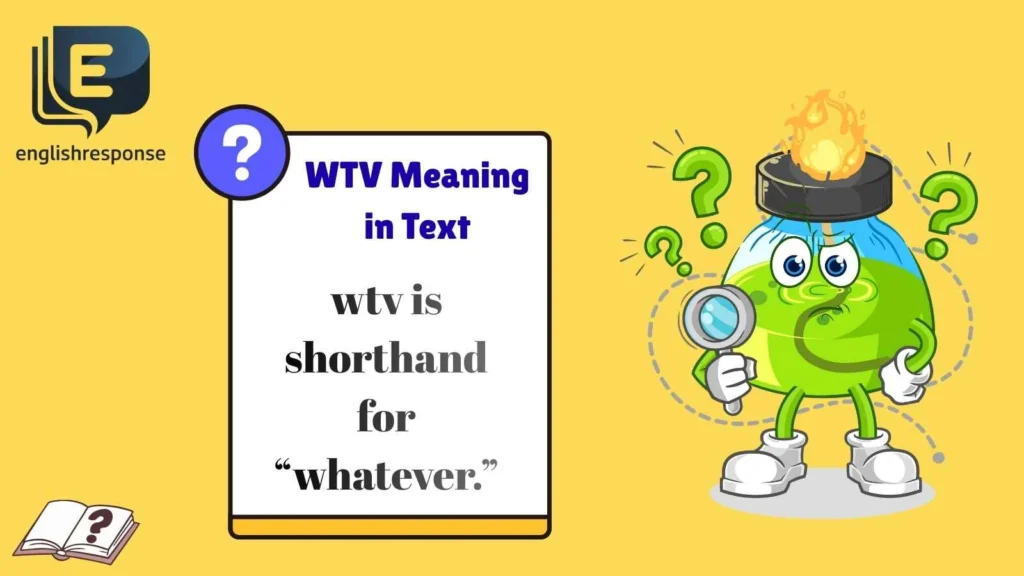
At its core, wtv is shorthand for “whatever.”
Simple, right? Well… not always.
In text conversations, wtv usually signals indifference, acceptance, or lack of interest. It’s often used when someone doesn’t want to argue, doesn’t care about the outcome, or just wants to move on.
Here’s how it plays out in real life:
- “Do you want pizza or burgers?”
“wtv, you choose.” - “We can go tonight or tomorrow.”
“wtv works.”
Notice how the meaning isn’t aggressive—it’s more like I’m flexible or I don’t mind. But tone changes everything.
Sometimes, wtv can quietly mean I’m done discussing this, without saying it outright.
Origin and Background of the Term
The word “whatever” has been around for centuries, but wtv is a child of the digital age.
As texting and instant messaging grew in the early 2000s, people started shortening common words to save time. “Whatever” became:
- whatev
- w/e
- and eventually, wtv
Social media platforms, chat apps, and gaming culture helped popularize it. The shorter the response, the cooler—or more emotionally distant—it sometimes felt.
Over time, wtv evolved into more than just a shortcut. It became a tone indicator, reflecting modern communication habits where emotions are often implied rather than stated.
It’s a small term with a big cultural footprint.
How WTV Is Used in Daily Life
You’ll see wtv everywhere once you know what to look for. Here are some everyday ways people use it:
- Ending a minor disagreement
“Let’s just do it your way, wtv.” - Showing flexibility
“Movie or show?” — “wtv.” - Avoiding overthinking
“Don’t stress it, wtv happens.” - Expressing emotional distance
“They didn’t reply, wtv.” - Casual conversation with friends
“Wear jeans or shorts?” — “wtv feels comfy.” - Low-energy responses
When someone’s tired, distracted, or overwhelmed.
Short. Easy. Emotionally loaded.
Emotional or Practical Meaning of WTV
This is where things get interesting.
Emotionally, wtv can mean:
- I don’t care enough to argue
- I’m okay either way
- I’m emotionally checked out
- I’m trying not to react
Practically, it’s a conversation shortcut. Instead of explaining feelings, people use wtv to save time—or avoid vulnerability.
In modern culture, where burnout and digital overload are common, wtv often reflects emotional self-protection. It’s easier to say “wtv” than explain frustration.
That’s why tone, context, and relationship matter so much.
Similar or Related Terms
Here are terms often used instead of wtv, with subtle differences:
- IDC – “I don’t care” (more direct, sometimes harsh)
- IDM – “I don’t mind” (polite and positive)
- Meh – mild indifference
- Up to you – cooperative and respectful
- Doesn’t matter – neutral, sometimes final
- K – agreement, but emotionally vague
Each one sends a slightly different emotional signal, even if the meaning overlaps.
Common Misunderstandings About WTV
Let’s clear up some confusion:
- It’s always rude
Not true. With friends, it’s often casual and harmless. - It means anger
Sometimes, but not always. Context matters. - It ends the conversation
It can, but it doesn’t have to. - It shows laziness
Often it just shows flexibility or low energy. - It’s only for teens
Adults use it constantly—especially in texting. - It has only one meaning
Nope. Tone changes everything.
Examples of WTV in Sentences
Here are natural, everyday examples:
- “We can eat out or cook—wtv you want.”
- “If it rains, wtv, we’ll stay in.”
- “I already said my piece, wtv happens now.”
- “They didn’t like my post? Wtv.”
- “Blue or black hoodie?” — “wtv.”
- “I’m too tired to argue, wtv.”
- “Plans changed again, but wtv.”
- “At this point, wtv makes you happy.”
See how flexible it is?
Why Understanding WTV Meaning in Text Matters Today
Digital communication strips away facial expressions and tone of voice. That’s why understanding small terms like wtv is more important than ever.
Misreading it can lead to:
- Unnecessary arguments
- Hurt feelings
- Miscommunication in relationships
- Awkward professional moments
On the flip side, understanding it helps you:
- Respond with empathy
- Read emotional cues better
- Communicate more clearly
- Avoid overreacting
In a world where most conversations happen through screens, context awareness is power.
FAQs:
What does wtv mean in simple words?
It means “whatever”, usually showing flexibility, indifference, or emotional distance.
Is wtv positive or negative?
It can be either, depending on tone and situation.
Where is wtv commonly used?
Mostly in text messages, social media, chats, and DMs.
Is wtv formal or informal?
It’s informal and best avoided in professional writing.
Why do people search for wtv meaning in text?
Because tone isn’t always clear, and people want to avoid misunderstandings as language evolves over time.
Conclusion:
Language is alive. It grows, shifts, and adapts—just like we do. The wtv meaning in text might seem small, but it reflects how modern people communicate emotions with fewer words.
Whether it’s flexibility, emotional exhaustion, or quiet acceptance, wtv says a lot without saying much at all.
Next time you see it, pause before reacting. There’s often a human story behind those three letters.
And remember—clear understanding builds better connections, even in the shortest messages.

Rana Sawalha is a passionate language enthusiast and author at EnglishResponse, dedicated to helping readers improve their English communication skills. With a focus on practical tips, engaging examples, and real-world conversation strategies, Rana Sawalha empowers learners to speak confidently and respond like a pro in any situation.